Mulled Wine and Mellow Drops: A Cautious UK Guide to CBD at the Christmas Party
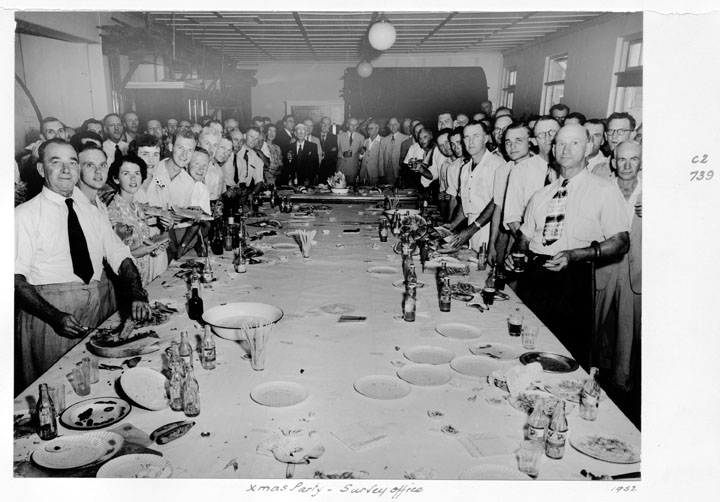
Photo: Lands Department, Survey Office, Cartographic Branch, Photographic Section, Public domain, via Wikimedia Commons
The party-season question
The Christmas do is a peculiarly British test of judgement: late nights, prosecco, buffet food, a colleague’s playlist and, increasingly, a conversation about CBD. Some people use CBD for sleep or anxiety and wonder whether it is sensible to take it before or after drinking. Others are given a drop at a party and told it will ‘take the edge off’. Harm reduction starts with a simple principle: CBD is not a substitute for pacing alcohol, and it is not an antidote to intoxication.
What is known—and not known—about CBD and alcohol
Both alcohol and CBD can be associated with drowsiness, slowed reaction time and reduced concentration, although the effects vary by person and dose. Alcohol is a depressant that impairs judgement and coordination; the evidence on combining it with CBD is limited and not reassuring enough to treat co-use as risk-free. Some studies suggest CBD may affect attention and alertness, and product quality varies. The honest summary is that no one can give a reliable ‘safe mixing’ threshold.
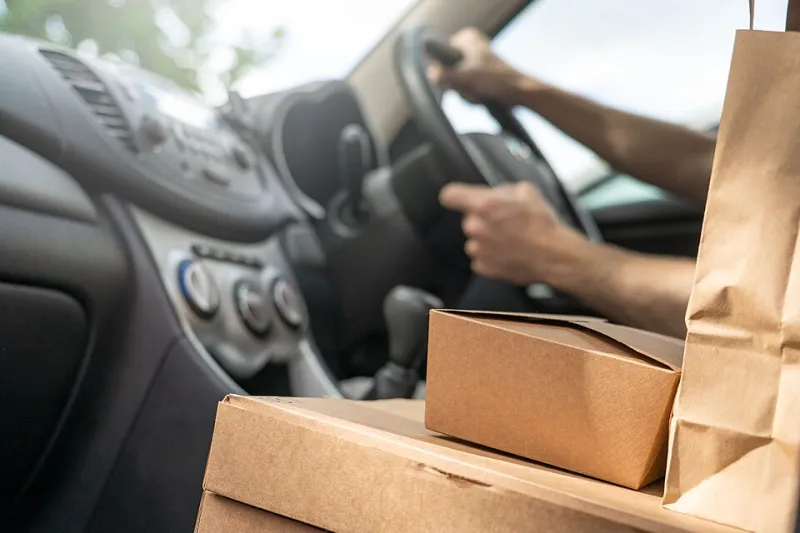
That matters for the journey home. CBD should not be used as a reason to believe you are fit to drive. If a product contains THC—even at low levels—the legal and safety picture becomes more serious. In the UK, drug-driving limits and police roadside testing are not a marketing question; they are a legal one. The safest plan is to decide on transport before the first drink.
Dose awareness at the drinks table
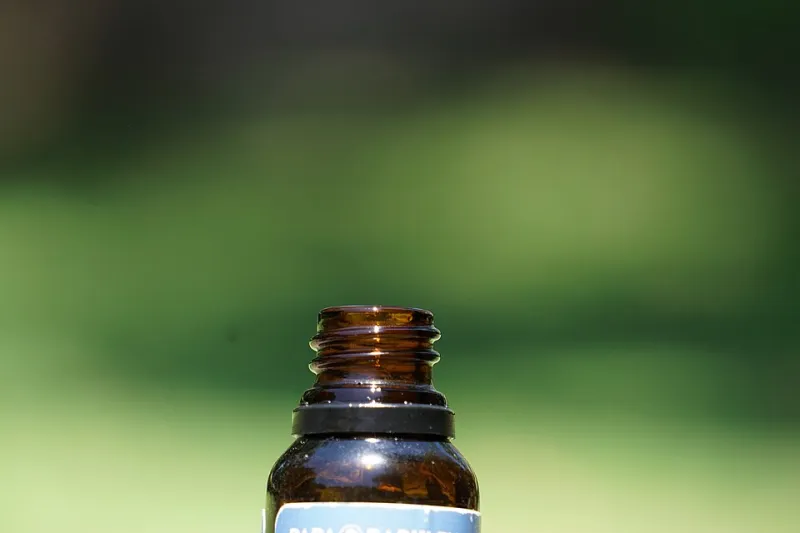
CBD dose is easily muddled. A bottle may state 500mg in total, but the serving may be 5mg or 25mg; a dropper may hold more than one ‘drop’. Alcohol makes arithmetic worse. If someone chooses to use CBD, the cautious approach is to know the product’s strength per serving, start with a low serving, record the time, and avoid topping up simply because nothing is felt within minutes. CBD is not famous for instant effects, and alcohol can encourage impatience.
It is also worth separating CBD from alcohol in time and expectation. A drop does not ‘cancel’ a glass of wine, and a glass of wine does not make a CBD product more effective. Alternating alcoholic drinks with water, eating properly and leaving earlier remain unglamorous but effective harm-reduction measures.
Labels and product quality before the first mince pie
Party-season purchases are often impulsive: a gift set, a market stall, a brightly coloured tin. Check the label as you would for any supplement. Look for CBD strength, serving size, ingredients, batch number, manufacturer details and a certificate of analysis. A batch-specific laboratory report should cover cannabinoids, THC and contaminants. ‘Proprietary blend’ language is a warning sign if it hides how much CBD is present.
Remember that CBD products are generally sold as food supplements, not medicines. That means they are not authorised to prevent or treat a hangover, anxiety or alcohol-related harm. A product that makes such claims at a Christmas market is making a claim that deserves scepticism, however festive the packaging.
Medicines and the pharmacist conversation
CBD can interact with prescription medicines, including sedatives, some antidepressants, epilepsy medicines and anticoagulants. Alcohol adds its own sedative burden. If you take regular medicines, ask a pharmacist before combining CBD with alcohol—ideally before the party, not in the taxi queue. Bring the product label and list your medicines. The question ‘Can I mix this with my medication and a few drinks?’ is a reasonable one, and a pharmacist is trained to answer it.
Do not stop prescribed medicine to experiment with CBD, and do not use CBD to self-manage withdrawal or serious mental health symptoms.
Realistic expectations and the late-night routine
CBD may be marketed with promises of calm, but the evidence for party-season use is not strong enough to plan around. A realistic expectation is that any effect is likely to be subtle and variable. A realistic plan includes knowing your alcohol units, eating, drinking water, telling a friend if you feel unwell, and having a route home that does not depend on whether a drop ‘wore off’.
A pre-party checklist
- Decide how you are getting home before drinking.
- Check the CBD label for mg per serving and THC content.
- Keep CBD and alcohol separate if you are unsure about interactions.
- Ask a pharmacist about your prescription medicines.
- Avoid combining CBD with heavy drinking or other sedatives.
- Do not drive if you feel drowsy, dizzy or impaired.
When to seek help
Severe drowsiness, confusion, vomiting, slow or irregular breathing, or difficulty waking someone after mixing substances needs urgent help. Call 999 if someone is seriously unwell, or use NHS 111 or the relevant urgent care service for urgent advice. Harm reduction is not about spoiling the party. It is about keeping the decisions yours.