Before the Boarding Pass: A UK Guide to CBD, Borders and the 2026 Travel Year
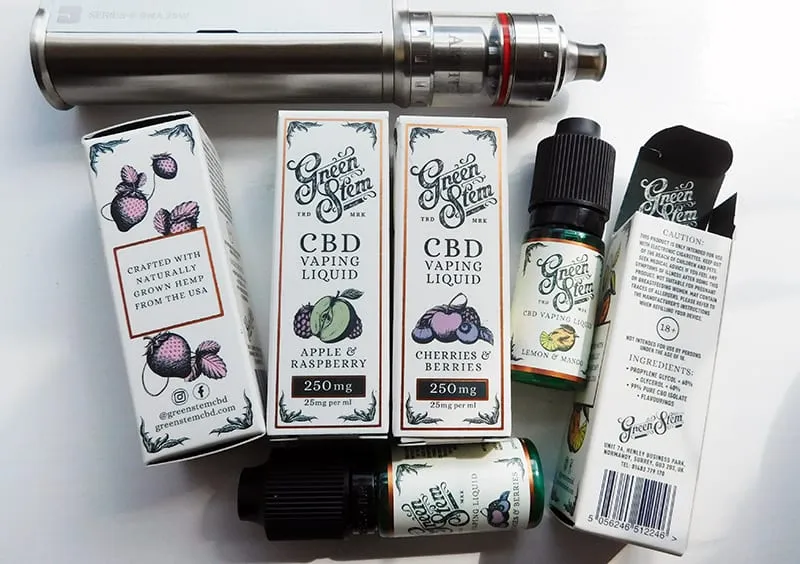
Photo: Ecig Click, CC BY-SA 2.0, via Wikimedia Commons
A bottle of CBD oil can sit on a kitchen shelf in Manchester or Bristol with little ceremony. It is bought, stored and used as an ordinary wellness product. At an airport, however, the same bottle may be viewed through a different lens: not as a familiar high-street purchase, but as a product containing a controlled or regulated substance whose status depends on the law of the country being entered. That shift in context is the heart of the travel question.
This article is general information for UK readers, not legal or medical advice. Border rules change, enforcement varies, and no article can confirm that a particular product will be admitted to a particular country. The practical aim is narrower: to help readers ask better questions before they pack.
Why the familiar bottle changes character at the border
In the UK, CBD products are widely sold, but that familiarity does not travel with the bottle. Other countries may classify CBD extracts differently, apply strict limits to THC, require import permits, or prohibit cannabinoid products altogether. Some make little distinction between CBD and other cannabis-derived materials in their customs rules. A product that is lawful to buy in the UK is not automatically lawful to carry into another jurisdiction.
Airlines add another layer. Carriage conditions are set by the airline and can be stricter than the destination’s general rules, or simply less specific. Airport security is concerned with security, not with confirming the legality of a product abroad. A smooth passage through UK security is not evidence that the destination will permit entry.
Start with the destination, not the departure lounge
The first check should be the official position of the destination country. For UK readers, the Foreign, Commonwealth and Development Office travel advice is a sensible starting point, but it is not a substitute for the destination’s own customs, health or justice ministry guidance. Embassy or high commission websites can also clarify whether CBD is treated as a medicine, a food, a cosmetic or a controlled substance.
Be cautious with retailer claims that a product is travel-safe. A UK retailer may know its own market; it is unlikely to be an authoritative source on another country’s import law. Online forums are similarly unreliable. Anecdotes about a bottle passing through a particular airport tell you about one traveller’s experience, not about the rule itself.
The transit country counts too
Travellers often focus on the final destination and overlook the journey. A connection through a third country can bring its own customs and security checks, even if the traveller does not leave the airport. In some cases, the transit point may have stricter rules than either the departure or arrival country. Direct flights reduce this exposure, but they do not remove the need to check the destination’s rules.
It is worth mapping the whole route: every airport, every overnight stop and every land border. If a connection is unavoidable, check the transit country’s official guidance as well. Do not assume that because a bag is checked through to the final destination, the product is outside local law at the connection point. Customs arrangements differ, and enforcement is a matter for the authorities concerned.
What paperwork is worth carrying, and what it cannot do
For an ordinary CBD wellness product, useful documents may include the original packaging, a batch-specific certificate of analysis, a receipt or order confirmation, and a clear record of what the product is and where it was bought. These materials can help identify the product and show that it was purchased through normal retail channels. They do not grant permission to import it, and they should not be presented as if they do.
A certificate of analysis is most useful when it is linked to the batch in the bottle. A generic laboratory report, a marketing brochure or a screenshot of a website is weaker evidence. If the product is a prescribed medicine rather than a wellness CBD product, the relevant documentation is a separate matter: carry the prescription and clinician’s letter as required by the destination and the airline, and check the medicine rules directly. Wellness CBD should not be described as prescribed medicine when it is not.
Keep products in their original packaging with labels intact. Decanting oil into an unmarked bottle creates avoidable ambiguity. Check airline rules on liquids and hand luggage, and be prepared to declare products honestly if asked. Concealment is a poor strategy: it can turn a manageable question into a more serious problem.
A calm pre-travel checklist for 2026
Before booking, check the destination’s official customs and health guidance for CBD and cannabinoid products. Confirm whether the country distinguishes between CBD and THC, and whether any permit or prescription is required. Review every transit point, not only the final airport. Check the airline’s conditions of carriage and any liquid limits. If the answer is unclear, ask the embassy or customs authority in writing and keep the reply.
Before packing, decide whether the product is necessary for the trip. If it is, keep it in the original packaging, carry the batch report and receipt, and pack it in accordance with airline rules. Do not rely on a retailer’s travel claim or on another traveller’s anecdote. If the destination’s rules are restrictive, or the paperwork is uncertain, the safest option may be to leave the product at home.
If in doubt, leave it out
The border is not the place to test an assumption. CBD may be an ordinary part of a UK routine, but travel turns it into a question of destination law, transit arrangements and airline policy. A cautious traveller checks the official sources, carries only what can be clearly identified, and accepts that documentation is not the same as permission. In 2026, that remains a sensible standard for any UK reader packing a CBD product for a journey abroad.