The Donor Form and the Dropper: Disclosing CBD Before Giving Blood in the UK
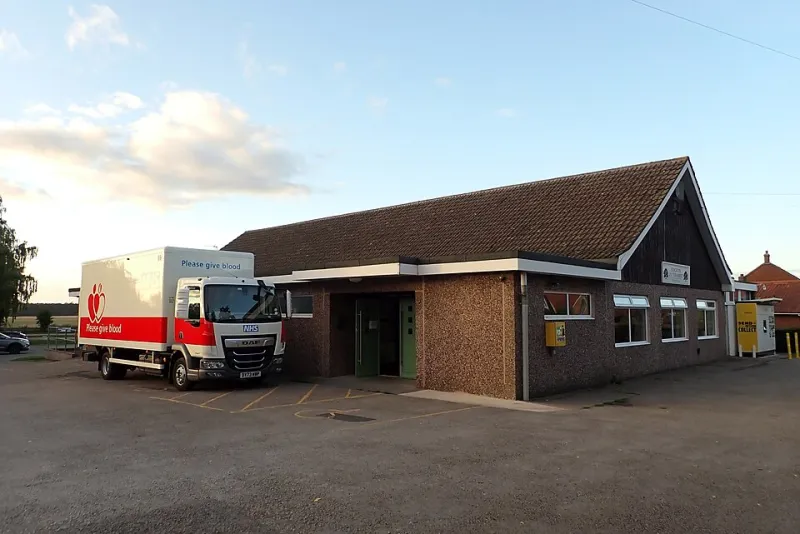
Photo: DS Pugh , CC BY-SA 2.0, via Wikimedia Commons
Why the donor questionnaire is broader than it looks
Blood donation depends on a simple but demanding principle: the donor service needs an accurate picture of the person in the chair. NHS Blood and Transplant (NHSBT) and local donation centres use questionnaires to identify anything that might affect the safety of the donor, the safety of the blood supply, or the suitability of a particular donation on a particular day. Questions about medicines, supplements, recent illness, travel and drug use are not small talk. They are part of the safety system.
CBD sits awkwardly within that system. It is widely sold in the UK as a consumer product, often with wellness language on the label, but it is not a licensed medicine. Its legal position as a novel food is separate from the clinical and eligibility questions a donation service may ask. The useful question before an appointment is therefore not simply 'Is CBD legal?' It is: what exactly is in the product, how much is being used, and does the donation service need that information to make its assessment?
Isolate, full-spectrum and the THC uncertainty
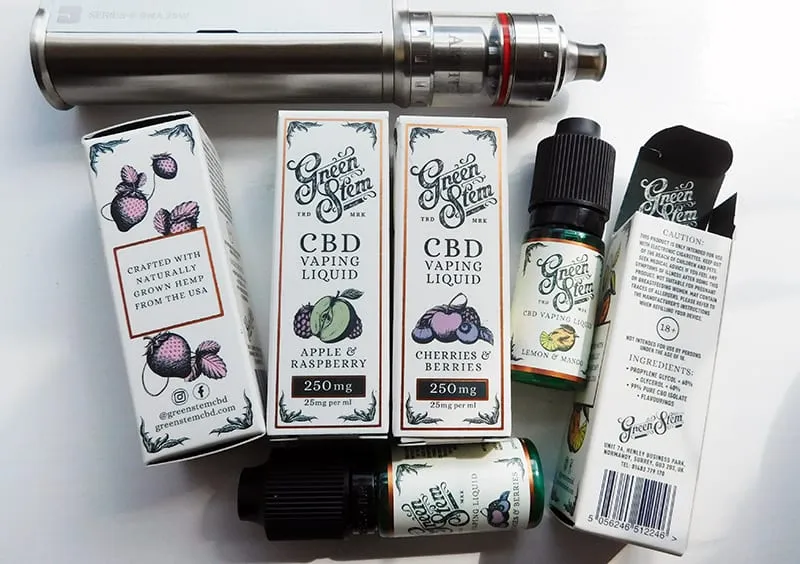
CBD products are not interchangeable. A CBD isolate is intended to contain CBD without other cannabinoids. A full-spectrum product is intended to retain a wider range of plant compounds, which may include trace amounts of THC. A broad-spectrum product usually aims to remove THC while keeping other cannabinoids, but the label is only a starting point. In a market where product quality can vary, the batch-specific laboratory report matters more than the front of the bottle.
UK rules for CBD products are strict on THC, and compliant products should contain only very low levels. That does not mean every bottle on sale is compliant, or that every label tells the whole story. A donor service may take an interest in THC because it is psychoactive and because donation questionnaires commonly ask about drug use and medicines. The concern is not necessarily that a trace amount in a CBD oil would harm a transfusion recipient. The practical issue is disclosure: the service needs to know what it is assessing, and the donor should not have to guess.
This is why 'it's just CBD' is an unsafe shorthand. If the product is full-spectrum, or if the THC content has not been verified, say so. If the label claims 'THC-free', ask whether there is a batch-level certificate of analysis covering cannabinoids. A reputable retailer should be able to provide that document. If it cannot, the donor is left with uncertainty, and uncertainty is better disclosed than concealed.
What to disclose, and how to phrase it
At the appointment, keep the disclosure factual. A short statement is usually enough: 'I use a CBD oil. The product is [name]. I take [amount] once or twice a day. It is [isolate/full-spectrum/broad-spectrum], and my last dose was [when].' If a laboratory report is available, bring it or have it on a phone. If the THC content is unknown, say that plainly rather than filling the gap with an assumption.
It also helps to mention why the product is being used. If it is for general wellbeing, say so. If it is for a medical condition, mention the condition and any prescribed medicines, because the donation service may need to assess the underlying condition as well as the CBD. Do not present CBD as a treatment for a disease if it has not been prescribed for that purpose. Do not stop a prescribed medicine simply to make a donation. That is a conversation for the prescriber, not a workaround for the questionnaire.
Route of use can matter too. An oral oil, a capsule and a vapour product are not identical in how they are used or labelled. A topical balm is unlikely to be treated in the same way as an ingested product, but if the questionnaire asks about supplements or drug use, it is still reasonable to mention it and let the donation service decide what is relevant.
A short pre-appointment checklist
- Check the product label for CBD content per millilitre or per dose, the product type and the batch number.
- Look for a batch-specific certificate of analysis that includes a cannabinoid panel, including THC where available.
- Note how often you use the product and when you last used it.
- List any prescribed medicines, over-the-counter products and supplements you take.
- If you are unsure, contact NHSBT or your local donation centre before the appointment and ask directly whether your CBD product affects eligibility.
- Bring the product name, label information and laboratory report with you, or have them ready on your phone.
- Answer the questionnaire fully. If a question is ambiguous, ask staff rather than choosing the answer that seems most convenient.
The limits of any general guide
Donation eligibility is an individual assessment, and policies can change. A website article cannot tell a reader whether they will be accepted on the day. What it can do is reduce the chance of a avoidable problem: an incomplete answer, a misunderstood product, or a last-minute realisation that the THC content was never checked. As of 2026, the sensible approach is to treat CBD as a product with a composition that should be verified, not as a vague wellness ingredient that falls outside the questionnaire. That is not alarmism. It is the same evidence-led caution that should apply before buying the product in the first place.