Hormone Hype on the High Street: A UK Buyer’s Audit of CBD Menopause Claims
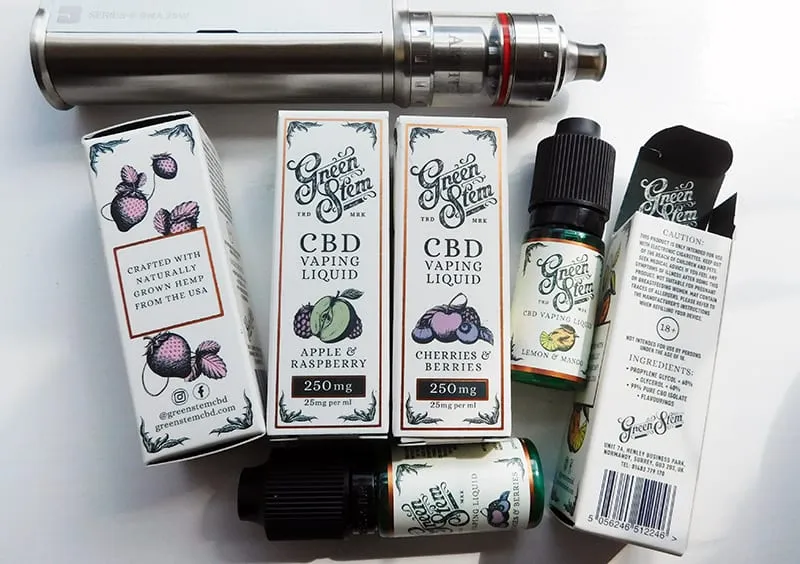
Photo: Ecig Click, CC BY-SA 2.0, via Wikimedia Commons
Why menopause has become a CBD marketing category
Perimenopause and menopause are having a commercial moment. Hot flushes, disturbed sleep, low mood, joint aches and changing cycles are common reasons for seeking help, and many people understandably want options beyond prescribed hormone replacement therapy (HRT). In 2026, UK shoppers can find oils, capsules, gummies and balms marketed with words such as ‘menopause’, ‘hormone balance’ and ‘change of life’. The packaging is often calm and clinical-looking; the claims are often much less precise.
CBD—cannabidiol—is one of many compounds found in cannabis. It is not the same as THC, the main psychoactive compound, and most CBD products sold in the UK are positioned as food supplements rather than licensed medicines. That distinction matters. A licensed medicine has to demonstrate quality, safety and efficacy for a named condition. A food supplement does not have to prove that it treats menopause symptoms.
What the evidence does—and does not—show
The evidence base for CBD is uneven. There is legitimate research into CBD for certain types of epilepsy, and a licensed medicine exists for specific rare seizure disorders. There is also research, much of it small or early-stage, into CBD and sleep, anxiety and pain. Menopause-specific evidence is thinner still. As of 2026, there is no robust body of UK clinical evidence showing that CBD reliably reduces hot flushes, corrects hormonal changes or treats menopause as a condition.
That does not mean every user reports nothing. It means the plural of anecdote is not evidence. A product may help someone relax, and relaxation may influence how they experience sleep or stress. But ‘may help me feel calmer’ is a different claim from ‘balances hormones’. Readers should be wary when the second is implied by the first.
The ‘hormone-friendly’ phrase under scrutiny
‘Hormone-friendly’ is not a defined medical term. It has no agreed regulatory meaning in the UK, and it can smuggle in an endocrine promise without stating one. CBD is not a phytoestrogen in the way some plant extracts are described, and there is no good evidence that it ‘balances’ oestrogen or progesterone. A product that implies hormonal action should be asked a direct question: what is the biological mechanism, and what human data support it?
UK advertising and food supplement rules restrict medicinal claims for foods. Consumers can therefore look for whether a brand stays within general wellbeing language or edges towards treating symptoms. The more a page talks about ‘hormonal imbalance’ while avoiding the word ‘medicine’, the more carefully it should be read.
Interactions: HRT, other medicines and the pharmacist conversation
CBD is not pharmacologically inert. It is metabolised in the liver, and it can affect enzymes involved in processing other medicines. Theoretical and observed interactions matter for people taking anticoagulants such as warfarin, epilepsy medicines, some antidepressants, immunosuppressants and sedatives. Specific data on CBD and HRT are limited, which is a reason for caution rather than a reason to stop HRT or to assume safety.
A pharmacist is often the most accessible person to ask. Bring the actual product, or a photograph of the label, and list every medicine and supplement being taken. The useful question is not ‘Is CBD safe?’ in general, but ‘Is this product, at this dose, safe with these medicines, for this person?’ If menopause symptoms are severe, persistent or affecting daily life, a GP conversation should not be delayed while experimenting with supplements.
Product quality questions that change the answer
Two products labelled ‘CBD oil’ can differ substantially. Strength may be expressed per bottle, per ml or per drop; serving size may be vague; and ‘full-spectrum’ may mean the presence of other cannabinoids, including THC. In the UK, THC limits and novel food requirements are part of the regulatory picture, but labels do not always make compliance easy to judge.
Ask for a batch-specific certificate of analysis (COA) from an accredited laboratory. Check that it covers cannabinoid content, THC, heavy metals, pesticides, solvents and microbial contaminants. Look for a clear manufacturer or importer, a batch number and a best-before date. A QR code that leads to a generic marketing page is not the same as a laboratory report.
A short question list for the shop or clinic
- What is the exact CBD dose per drop, capsule or serving, and how was it measured?
- Is the product a food supplement or a licensed medicine, and what is it authorised to claim?
- Can I see a batch-specific laboratory report, not just a brand-level certificate?
- Does the product contain THC, and at what level?
- What is known about interactions with my HRT, anticoagulant or other medicines?
- What evidence exists for this specific menopause symptom, in humans rather than cells or animals?
- What should I do if I feel drowsy, dizzy or unwell?
When to speak to a GP or pharmacist
Seek advice before use if you take prescription medicines, have liver disease, are pregnant or breastfeeding, or are due surgery. Do not use CBD to self-treat symptoms that need assessment, such as unexplained bleeding, severe mood changes or chest pain. A cautious, evidence-led approach does not mean dismissing menopause symptoms; it means matching the intervention to the evidence and the person.