The CBD–Contraception Question: A Measured UK Guide to Theoretical Interactions
Photo: elsaolofsson, CC BY 2.0, via Wikimedia Commons
The question is common and reasonable: can CBD affect hormonal contraception? The honest answer is that the specific human evidence is limited, but there are plausible mechanisms and practical reasons for caution. That is different from saying the combination is known to be unsafe. For UK readers, the useful response is neither reassurance nor alarm, but a clearer conversation with a pharmacist, GP or sexual health service.
What is known
CBD is not inert. It is metabolised in the liver, and laboratory studies suggest it can affect certain drug-metabolising enzymes. Oral contraceptive steroids are also metabolised by liver enzymes, particularly CYP3A4, and by glucuronidation. A theoretical interaction is therefore biologically plausible. The point is not that CBD has been shown to make the pill fail; it is that the pathways involved overlap enough to justify a question.
There is also relevant information from prescribed CBD. Purified CBD medicine carries interaction warnings for certain medicines metabolised by similar enzyme pathways. Those data come from a high-dose prescribed product used under medical supervision, not from a typical high-street oil. They cannot be simply transferred to every consumer CBD product, but they do show why the question is not frivolous.
What remains uncertain
There is no robust body of human research specifically measuring contraceptive failure rates among CBD users. Case reports are sparse, and consumer products vary too widely for a single answer. This means the honest position is uncertainty: a theoretical interaction exists, but its practical importance for a given person, dose and product is not well characterised.
Absence of evidence is not proof of safety, and it is not proof of harm. It is a reason to avoid confident claims in either direction. A website that says CBD ‘cannot’ affect the pill is making a stronger statement than the evidence supports. A website that says it ‘will’ interfere is also going beyond what is known. The middle ground is informed caution.
Dose, consistency and product type
Dose matters. A few drops of a low-strength oil is not the same as a high-dose isolate, a daily capsule or a prescribed CBD medicine. Frequency matters too: occasional use may present a different picture from daily use over months. Consistency matters because enzyme effects, if they occur, may depend on sustained exposure. Product type matters as well. Oral oils and capsules are handled differently from inhaled products, and topical products are generally less likely to produce meaningful systemic exposure, although absorption can vary.
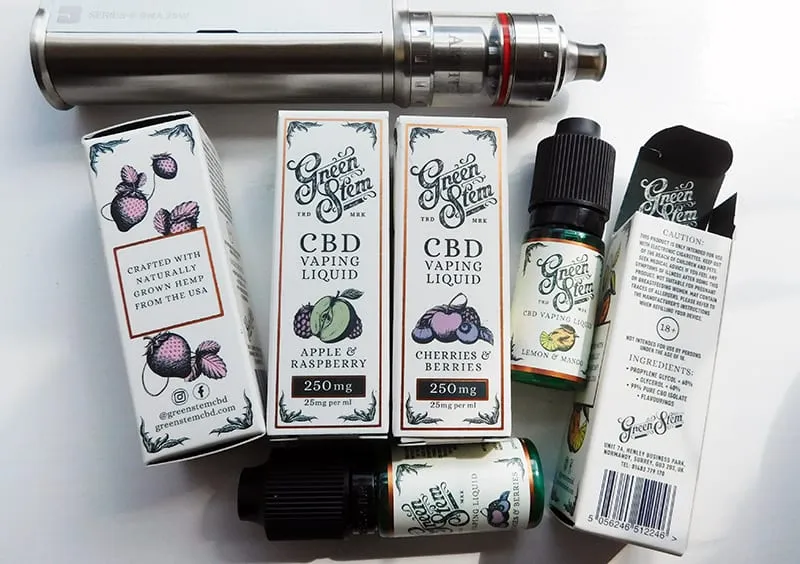
Labels often make this harder than it should be. ‘High strength’ is not a dose. Readers should look for CBD content per millilitre, per drop or per capsule, and should measure rather than estimate. Full-spectrum products add another variable because they may contain THC and other cannabinoids. THC has its own effects and uncertainties, and a full-spectrum product is not the same as an isolate. None of this proves an interaction with contraception, but it affects how carefully the question should be asked.
Why alarmism is unhelpful
Stopping hormonal contraception because of a theoretical interaction can carry real risks, including unplanned pregnancy. The sensible approach is not to abandon a prescribed contraceptive on the basis of a general article. It is to keep using it as directed and to seek personalised advice if you are concerned. If you have missed a pill or are unsure about your contraceptive cover, follow NHS guidance or contact a sexual health service promptly.
There is also a wider issue of disclosure. People often do not tell their GP or pharmacist about CBD use because they expect judgement or a lecture. That silence makes advice worse. A pharmacist can check a specific product against a specific contraceptive and discuss whether additional precautions are sensible. They can also consider other medicines, alcohol and any underlying health conditions.
Practical prompts for an appointment
A short, specific conversation is more useful than a general worry. Consider taking these prompts to a pharmacist, GP or sexual health clinic:
- I use this CBD product, at this amount per dose, this many times a day.
- It is an oil, capsule, vape or topical product, and it is isolate or full-spectrum.
- The label states this CBD content, and I have the batch number or certificate of analysis.
- I also take these other medicines, including hormonal contraception.
- Is a theoretical interaction relevant to my product and dose?
- Should I use additional contraception while using CBD?
- What should I do if I miss a pill or have side effects?
- Do I need a follow-up review if my CBD dose or product changes?
A calm conclusion
The CBD–contraception question does not have a neat yes or no answer. There is a plausible theoretical interaction, limited direct human evidence and wide variation in consumer products. That makes informed caution more appropriate than fear. UK readers should buy from sellers who can explain dose and batch, disclose CBD use to a healthcare professional, and avoid stopping prescribed contraception without advice.
Dr CBD Global’s editorial position is that better questions are more useful than dramatic headlines. If you use CBD and hormonal contraception, the right next step is not panic. It is a measured conversation about your product, your dose and your own circumstances.