Chair-Side Disclosure: A Calm UK Guide to Discussing CBD Before Dental Local Anaesthetic
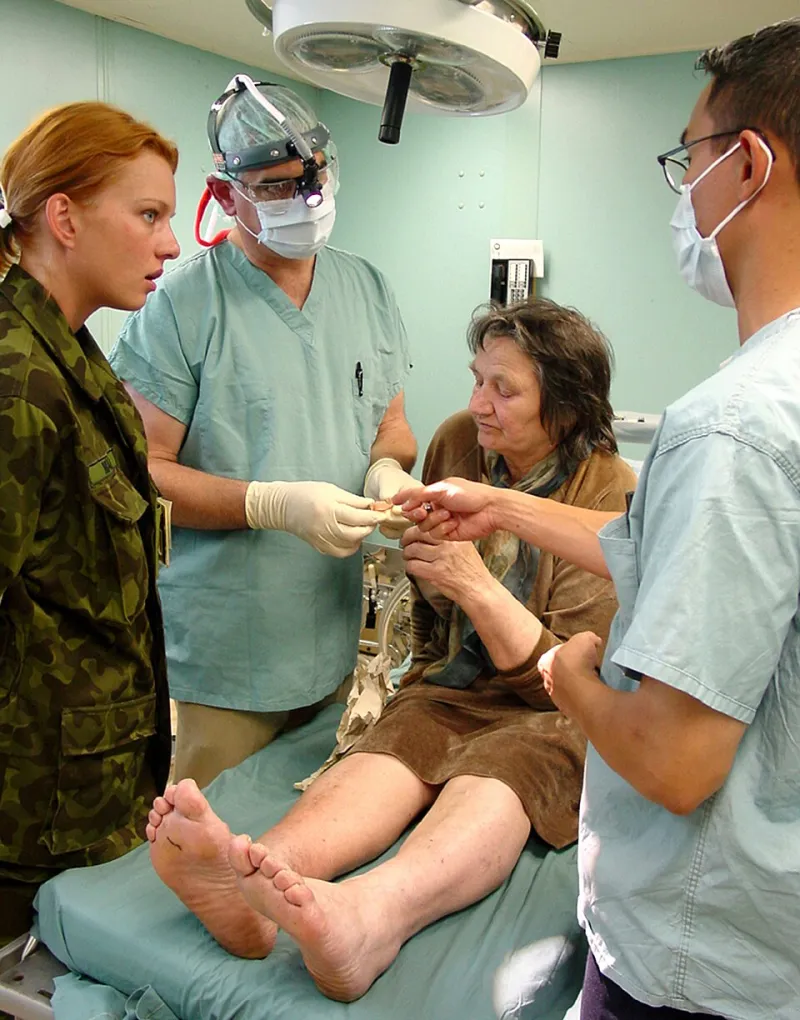
Photo: U.S. Navy photo by Journalist 2nd Class Ellen Maurer., Public domain, via Wikimedia Commons
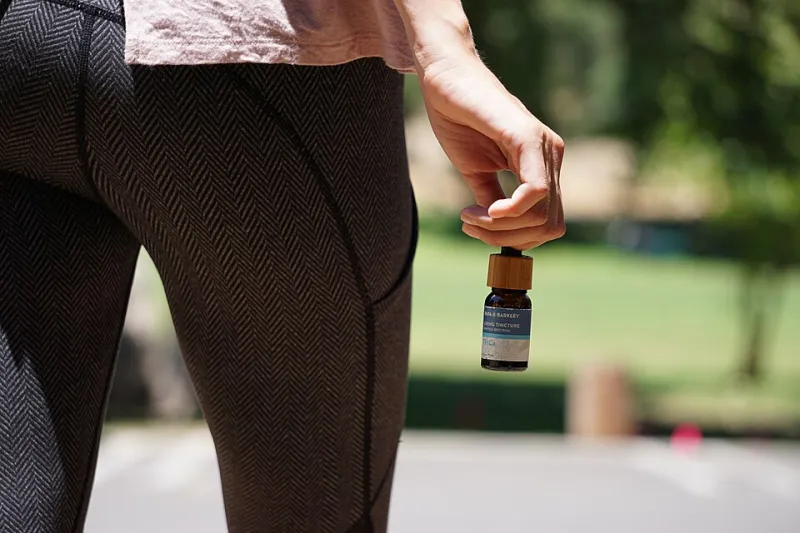
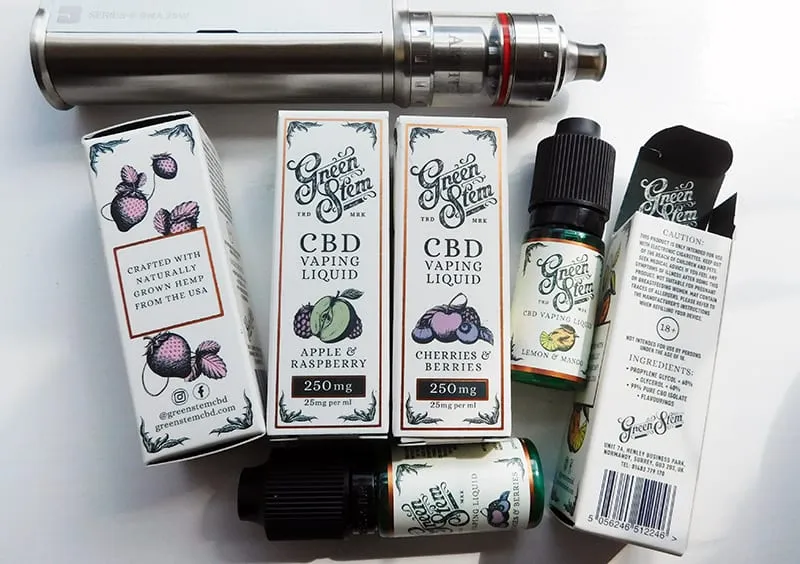
Most UK dental practices ask patients to complete and refresh a medical history at every recall. That form is the obvious place to record regular use of cannabidiol — whether as an oil, a capsule, a pastille or a vape — and it becomes more relevant still when a procedure under local anaesthetic is coming up. Recording it is not an admission that something has gone wrong. It is the same routine courtesy you would extend for a blood-pressure medicine, an inhaler or a herbal supplement, and it gives the clinician something firmer than a guess to work from.
Why an Appointment Is a Useful Prompt
Dental treatment is one of the few settings in UK healthcare where a drug is administered, the patient is monitored in a chair for a defined period, and the clinician has a moment to ask questions beforehand. A check-up, a filling, a root canal or an extraction all begin with a conversation. That conversation is a low-stakes opportunity to correct the record: many people who use CBD daily have never mentioned it to any health professional, and some have mentioned it once, years ago, to a GP who had no reason to note it down.
The practical benefit is straightforward. A dentist who knows what you take can weigh it against the anaesthetic chosen, the amount of adrenaline in the solution, any sedation planned, and the medicines already on your list. A dentist who does not know is working with an incomplete history — which is not the same as an unsafe one, but is avoidably less precise.
What the Evidence Actually Supports
It is worth being clear about the limits here, because both reassurance and alarm tend to be overstated in consumer writing on this subject.
There are no published case reports, to our knowledge, of a serious adverse event arising from a single dental dose of local anaesthetic in a person using over-the-counter CBD. The interaction literature is largely preclinical and pharmacological rather than clinical: laboratory work showing that CBD can inhibit several cytochrome P450 enzymes, notes that anaesthetics such as lidocaine are metabolised hepatically, and cautious reviews advising clinicians to keep the possibility in mind. That is a reasonable basis for a question, not a basis for a warning.
Two distinctions are useful. First, dental local anaesthetics are not interchangeable: articaine is broken down largely by plasma esterases, lidocaine and prilocaine mainly in the liver. Second, a single dental dose is small and given under supervision, which is a very different exposure profile from the repeated high doses studied in epilepsy research, where most of the clinically meaningful interaction data originate.
Reading the Pharmacology Without Overreading It
The theoretical concern is that regular CBD use might alter how quickly certain drugs are cleared, or how a patient responds to adrenaline contained in the anaesthetic solution. In vitro inhibition of CYP3A4 and CYP2C19 has been reported at concentrations that are not obviously reached by typical retail products, and the clinical significance for a one-off dental injection remains unestablished. Reviews published between 2020 and 2025 have generally concluded that the evidence is insufficient to justify a blanket precaution, while recommending that clinicians be told.
Sedation is a separate matter and deserves its own sentence. If your practice is considering intravenous sedation with midazolam, that drug is a well-characterised CYP3A4 substrate, and the interaction question is more substantive than it is for a simple infiltration. This is a specific reason to telephone ahead rather than mention it on the day.
Preparing a One-Page Note
You do not need a dossier. A short written summary, handed to the receptionist or uploaded if the practice uses an online portal, is usually enough. Include:
- The product type — oil, capsule, pastille, vape — and the stated strength in milligrams, plus how many drops, capsules or puffs you take on a typical day.
- How long you have used it, and whether the amount has changed recently.
- The brand and batch where you have them, since retail CBD in the UK is not a licensed medicine and content can differ from the label.
- Any other supplements, herbal products or prescribed medicines, including those bought online.
- Whether you have ever felt faint, dizzy or unusually prolonged numbness after a previous dental injection.
If you cannot recall the strength, say so. An honest approximation is more useful than a confident number that turns out to be wrong.
The Conversation: A Short Checklist
When you are in the chair, or at the desk beforehand, four sentences will usually do the work.
- State plainly that you use CBD regularly, in what form, and at what approximate daily amount.
- Ask whether the dentist would like you to pause it before the appointment, and over what period — accepting that the answer may be that it makes no practical difference.
- Mention any sedation being discussed, and any history of dental anxiety, so the plan can be reviewed rather than improvised.
- Ask for the disclosure to be added to your record, so you are not repeating it at every visit.
Do not stop a prescribed medicine, including an anticoagulant or an antihypertensive, in order to simplify the appointment. That decision belongs to the prescriber.
When to Ring Ahead or Ask a Pharmacist
A brief call before the appointment is sensible in a handful of situations: if intravenous sedation is planned; if you take a medicine with a narrow therapeutic index, such as warfarin or an anti-epileptic; if you are pregnant or breastfeeding; if you have a known liver condition; or if you have had an unusual reaction to a dental anaesthetic before. In each case, a pharmacist can usually clarify the practical position in a few minutes, and a GP letter is rarely necessary.
Urgent treatment should not be delayed for the sake of a conversation about CBD. Dental pain and infection carry their own risks, and a dentist can proceed while noting the disclosure.
A Final Point on Framing
The aim is proportionate disclosure, not confession. CBD is widely sold on UK high streets, it sits outside the licensed medicines framework, and its evidence base is thinner than its marketing often implies. None of that makes it something to conceal from a clinician who is about to administer a drug. A short note, a plain sentence and a recorded entry are enough to move the appointment from assumption to informed care.